
Story
Đakovo: the horses worth changing your route for
Photos 1
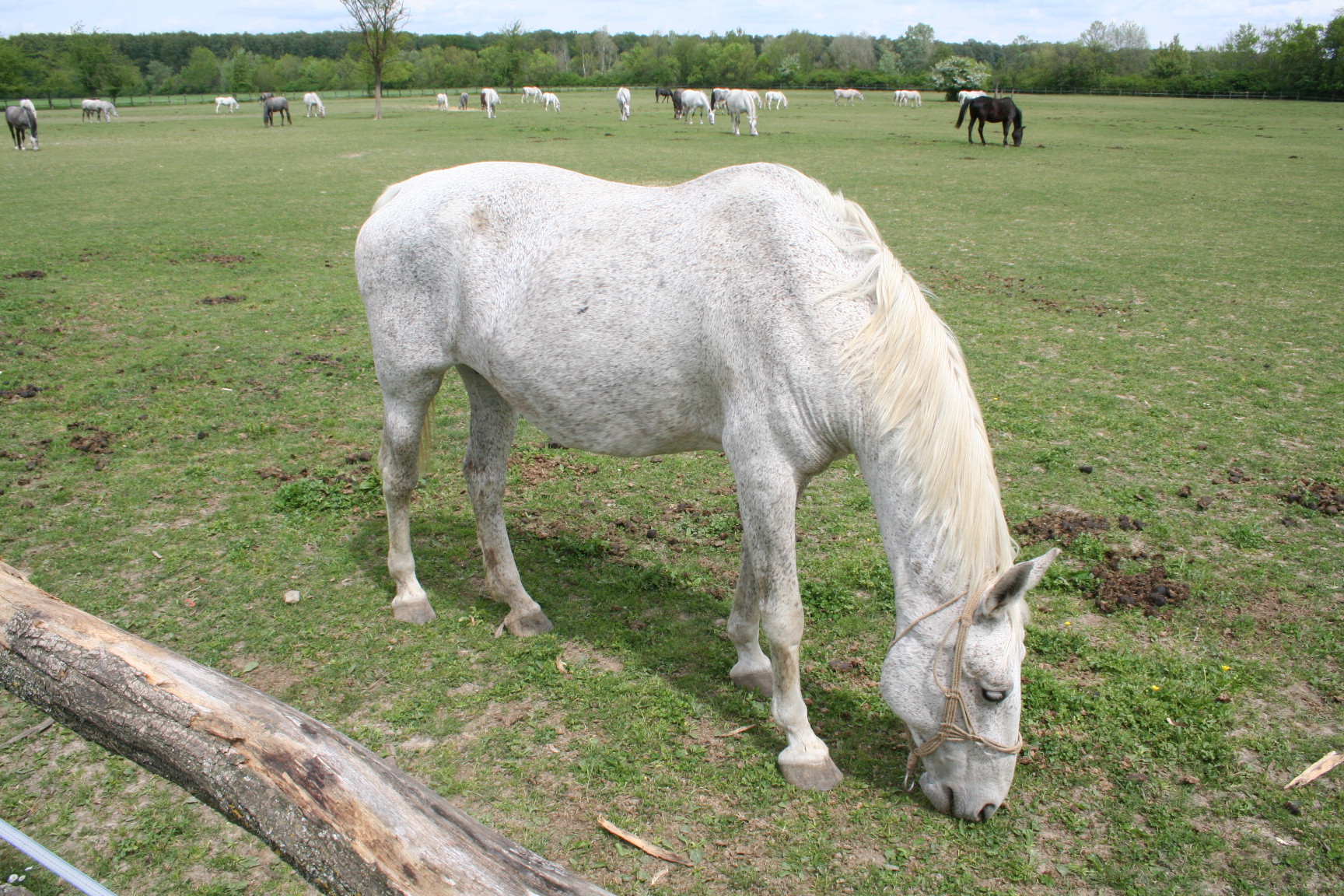
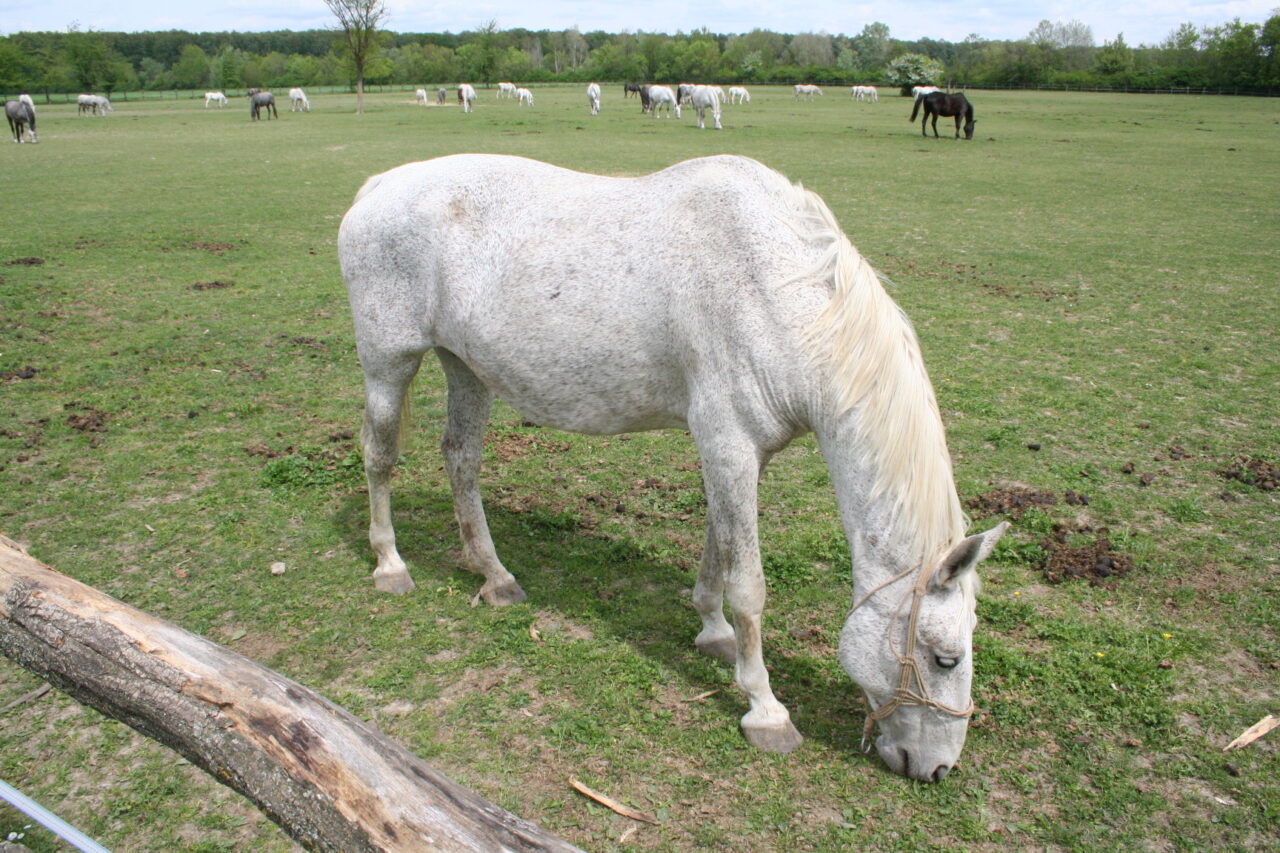
A Lipizzaner grazing at Ivandvor, part of the Đakovo State Stud Farm.
Queen Elizabeth II visited in 1972. Today, the story runs between a working stud in town and the breeding herds at Ivandvor.
Jump to a section
Đakovo has a useful answer to anyone who thinks a Croatian itinerary has to follow the coast. In 1972, Queen Elizabeth II visited its stud farm. The royal connection makes a good opening line. The better reason to come now is to understand what happens around the horses when no special guest is arriving.
The State Stud is a working institution, and its two locations do different jobs. Knowing that before you go changes the visit: you can choose what interests you instead of arriving at one entrance and assuming you have seen the whole story.
One stud, two settings
Pastuharna is in Đakovo itself, at Augusta Šenoe 45. This is the training side of the visit, with stables, an indoor riding arena and spaces used for equestrian work. Look beyond the striking profile of a horse: the relationship with the people handling and training it is part of what makes the place worth your attention.
Ivandvor is a separate site, around six kilometres from the city centre. It is associated with the breeding herd, mares and young horses, with visitor paths around the enclosures. A photograph from open pasture and a photograph inside an arena may therefore represent different parts of the institution. Do not expect to find both settings by following a single city-centre pin.
The heritage is in the knowledge
The stud traces its foundation to 1506; the history of Lipizzan breeding there comes later. Keeping those timelines apart matters. A long institutional history does not mean that the same breed has been present throughout it.
In 2022, Lipizzan horse breeding traditions entered UNESCO’s Representative List of the Intangible Cultural Heritage of Humanity through a nomination shared by eight countries, including Croatia. The recognition concerns practices, skills and the relationship between communities and horses. It is a good reason to notice the work behind an elegant image, rather than treating the animal as a ready-made photo prop.
Choose the visit you actually want
Before travelling, check which location and programme match your interests. A guided visit, an announced performance and a general look around are different experiences. Horses outdoors, training sessions and access to individual spaces depend on arrangements and conditions; do not build a day around an assumed show.
Follow staff instructions around the animals and leave touching or feeding to their direction. If you are travelling with a keen photographer, agree on one useful ambition: come back with a picture that explains something about the place, not just a close-up of a white horse. Check the stud’s current visitor information before setting off.
Let the visit follow the horses’ space
At either location, take your cue from the current visitor instructions and the people caring for the animals. Give the horses room, keep photography secondary to the visit and do not assume a close approach is part of the programme. If a planned activity is unavailable, the distinction between the two sites still helps you understand what the institution does.
Connected destinations
Plan your time here
Choose dates and interests for your own ideas.
