
Story
Krapina: a weekend, 125,000 years back
Photos 1
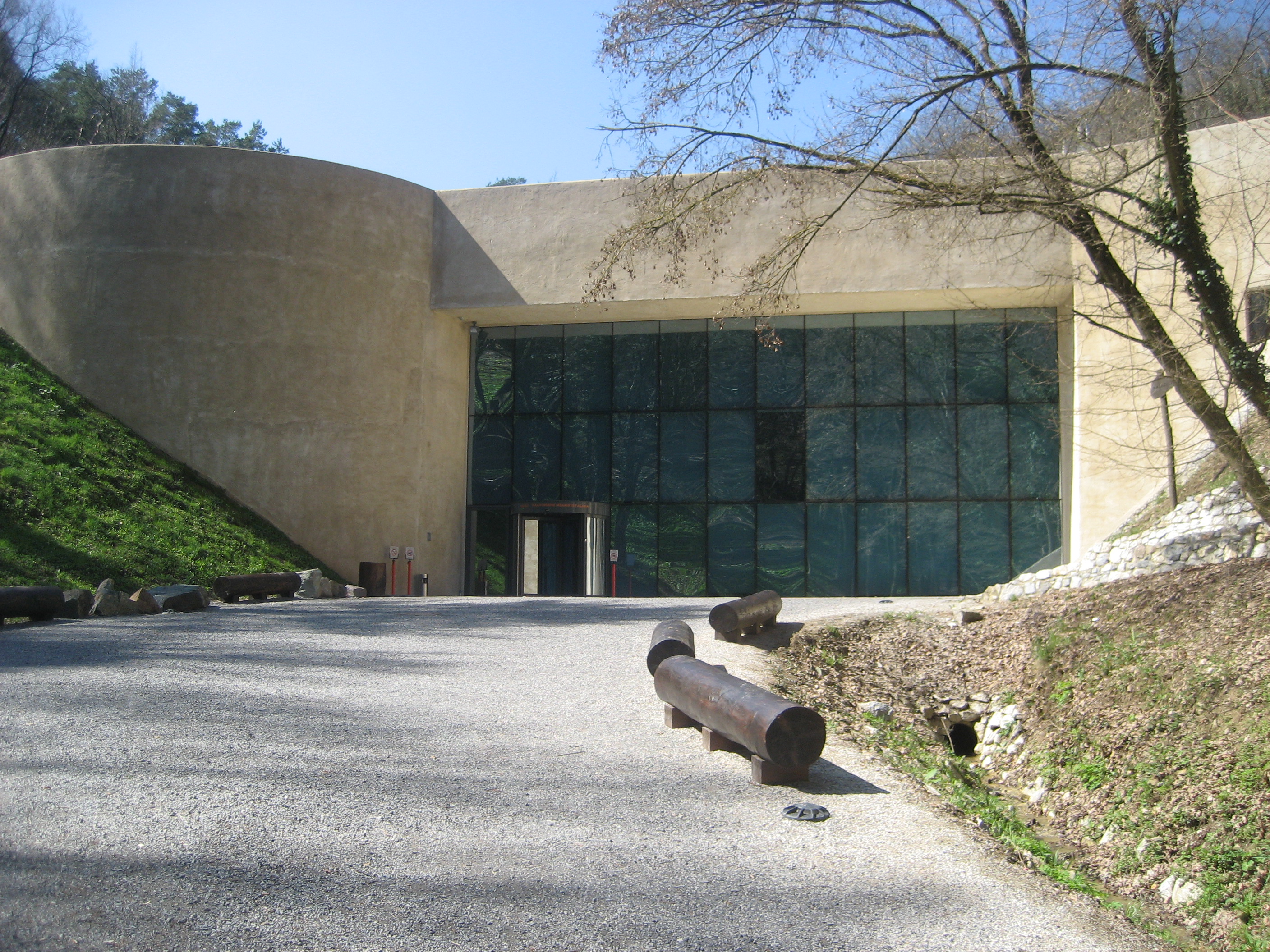
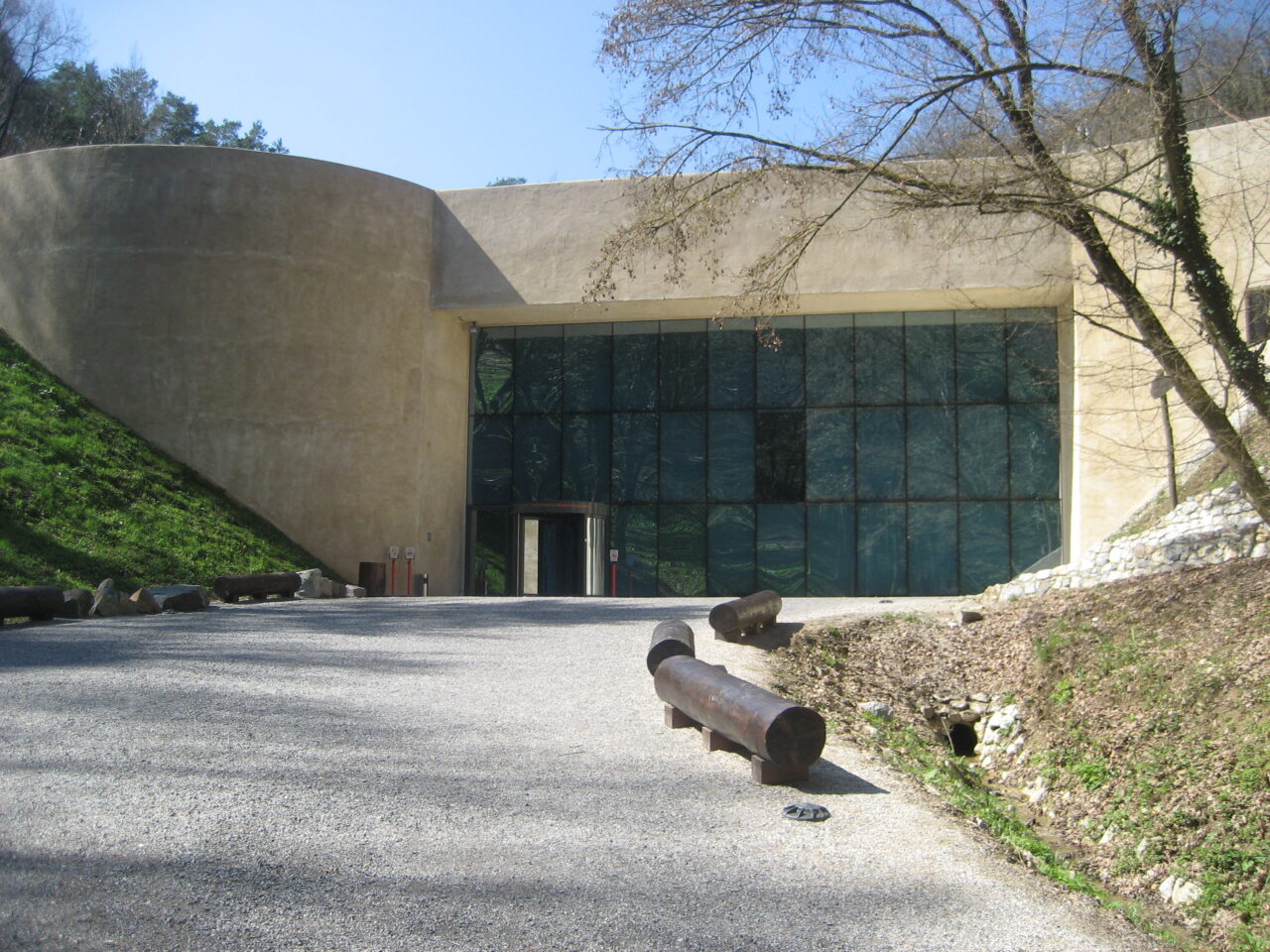
The glass entrance of the Krapina Neanderthal Museum set into a wooded hillside.
The layers at Hušnjakovo are roughly 125,000 years old. Start with the discovery, look closely at the museum reconstruction and give the real site its own place in the plan.
Jump to a section
If the group chat has spent weeks choosing a day out, Krapina offers a useful sense of perspective. The layers at nearby Hušnjakovo go back roughly 125,000 years. A Saturday starts to feel quite manageable. Here in Zagorje, a museum and an excavation site let you follow the same story from two different directions: what was found, and how we make sense of it.
The year to remember is also 1899
That is when investigations began at Hušnjakovo, led by geologist and palaeontologist Dragutin Gorjanović-Kramberger. Excavations continued until 1905. Human fossils, animal remains and stone tools turned a hill in Krapina into a place scientists could question about the distant past.
The site’s approximately 900 human fossil remains are fragments of evidence, not a headcount of 900 people. Keep that distinction in mind as you look at how a discovery becomes a story. Ask what an object can actually tell us, and which details require interpretation. It is a more interesting way through a museum than collecting impressive numbers.
A gathering reconstructed
In the exhibition, a diorama brings together Neanderthals of different ages around a hearth. It is a reconstruction of a community, not a preserved scene caught in the act. Notice which person draws your attention first, then look at the people around them. Suddenly the subject is less abstract than the word “prehistory” suggests.
The building contributes its own idea: its form evokes a rock shelter, set into the landscape between two hills. The exhibition ranges beyond the Krapina finds to place human evolution within the Earth’s longer history. Leave room for that change of scale instead of rushing straight to the figures.
Two experiences to plan separately
The museum is on Šetalište Vilibalda Sluge. Hušnjakovo is the actual discovery site nearby, with an outdoor path; a museum ticket is not a reason to assume that every outdoor section is accessible on your chosen day. Confirm site access and ask about the terrain if it affects your visit.
For admission, guided visits and photography rules, use the museum’s current visitor information. Then give your companion one small challenge: each choose a detail that changed how you pictured the people who lived here. Compare answers afterwards. That is something worth taking home.
Keep discovery and interpretation distinct
As you move between the museum and the outdoor site, notice which things you are seeing directly and which have been reconstructed to explain them. Both can help you understand the past, but they answer different questions. A useful conversation afterwards is not “which display was most impressive?” but “what evidence changed the way I pictured this community?”
Connected destinations
Plan your time here
Choose dates and interests for your own ideas.
